Recharge Your Day with Two-Minute Home Fitness Breaks

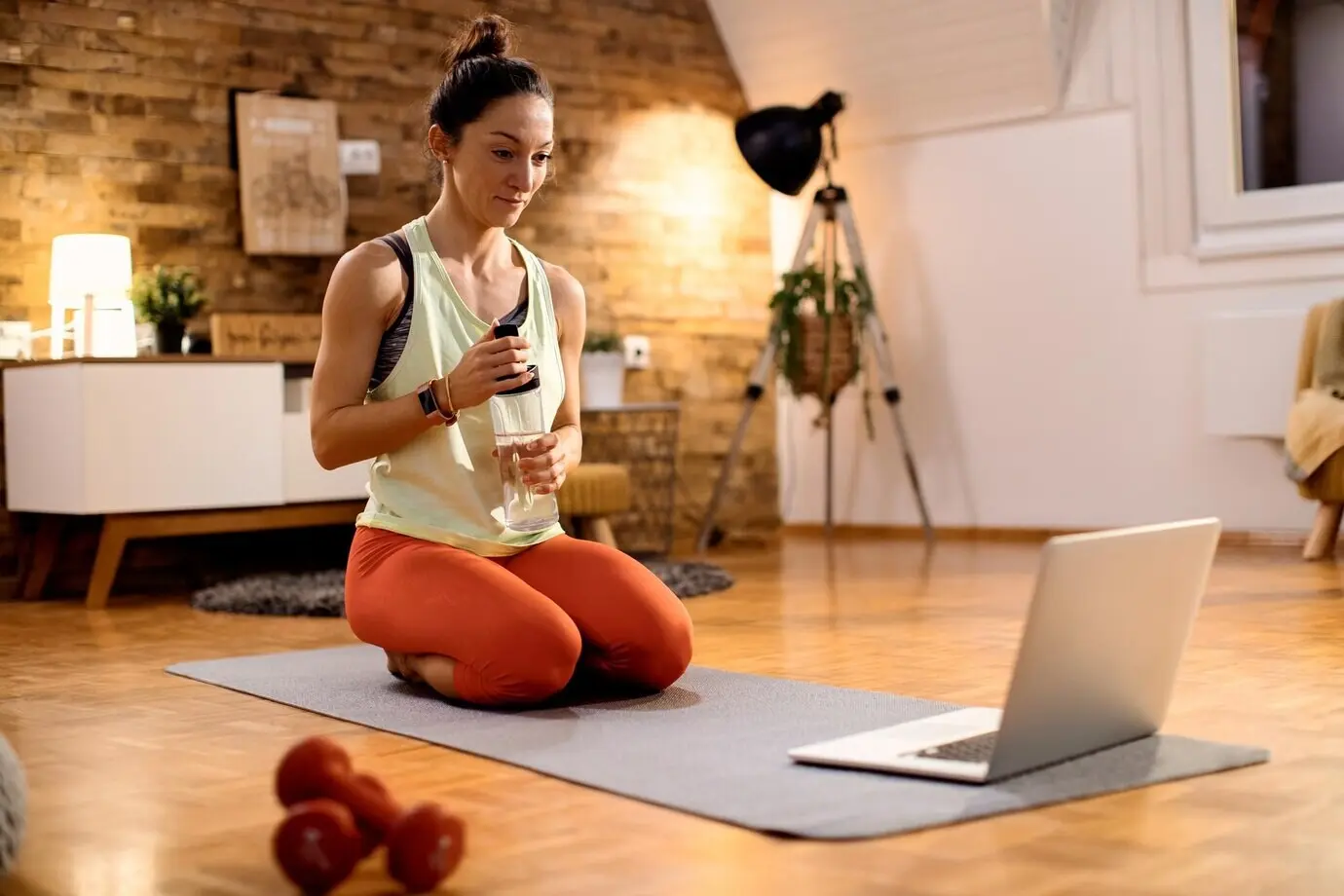
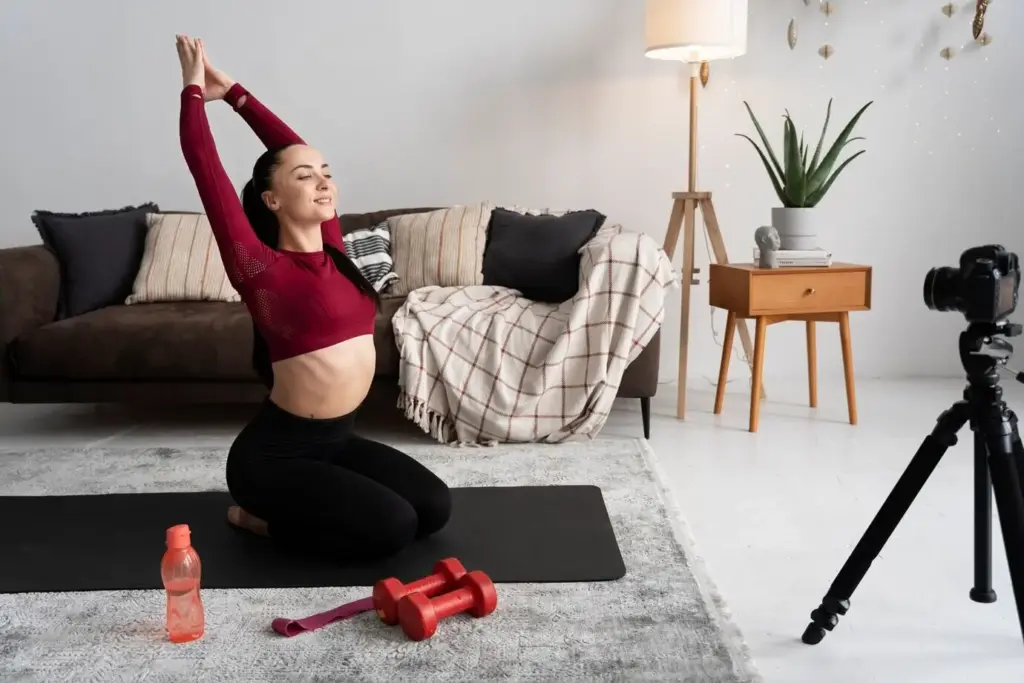
Today we dive into Two-Minute Home Fitness Breaks, a playful, science-backed approach that slips movement into the cracks of busy schedules. Expect friendly micro-routines, tiny wins that build momentum, and flexible options you can try between emails, kettle boils, or streaming episodes, helping you feel energized, focused, and proud without rearranging your life or buying fancy equipment. Bring curiosity, a little floor space, and the willingness to start now, because two minutes really can change your mood and set a stronger tone for the day.

Why Short Bursts Work Wonders

Two minutes might sound trivial, yet it lowers activation energy, nudges heart rate, wakes sleepy muscles, and improves circulation without overwhelming willpower. These brief efforts boost non-exercise activity thermogenesis, refresh attention through movement-driven arousal, and chip away at sitting time linked with metabolic and posture issues. The best part is consistency: frequent, low-friction breaks reinforce identity as an active person, protect joints with regular micro-mobility, and make returning to focus easier because your brain loves rhythmic resets that reduce mental fatigue and rumination.

01

The Science in Brief

Short, frequent movement spikes promote better blood flow, synovial fluid lubrication in joints, and subtle cardiovascular benefits without the recovery cost of long workouts. They also increase glucose uptake in working muscles, supporting steadier energy and fewer afternoon crashes. Even simple patterns like marching in place and brisk air squats stimulate the vestibular system and proprioception, sharpening alertness. Most importantly, small consistent bouts accumulate into meaningful weekly volume, protecting health markers while staying sustainable for real schedules and overloaded minds.

02

Momentum Over Motivation

Motivation fluctuates, but momentum is trainable. Two minutes lowers psychological friction so you start before overthinking. Completion delivers a quick dopamine sprinkle, reinforcing the action and priming the next break. Stack your break to existing cues like finishing a call or refilling water, turning it into a reliable, nearly automatic loop. Over days, the identity shift appears: you become someone who moves regularly. That identity gently pulls you forward, even on low-energy mornings, rainy days, or deadline-heavy afternoons.

03

Better Than Sitting Still

Prolonged sitting compresses hips, quiets glutes, stiffens thoracic spine, and can dampen insulin sensitivity, especially after meals. Two minutes of movement unwinds that cascade. Hip openers reset posture, calf raises pump venous return, and breathing drills downshift tension. You do not need to sweat buckets to benefit; even modest dynamic moves interrupt the mechanical monotony of desk time. Over weeks, those interruptions translate into easier standing, fewer aches, clearer focus, and a body that feels more ready whenever you want longer sessions.
Warm Up in Seconds
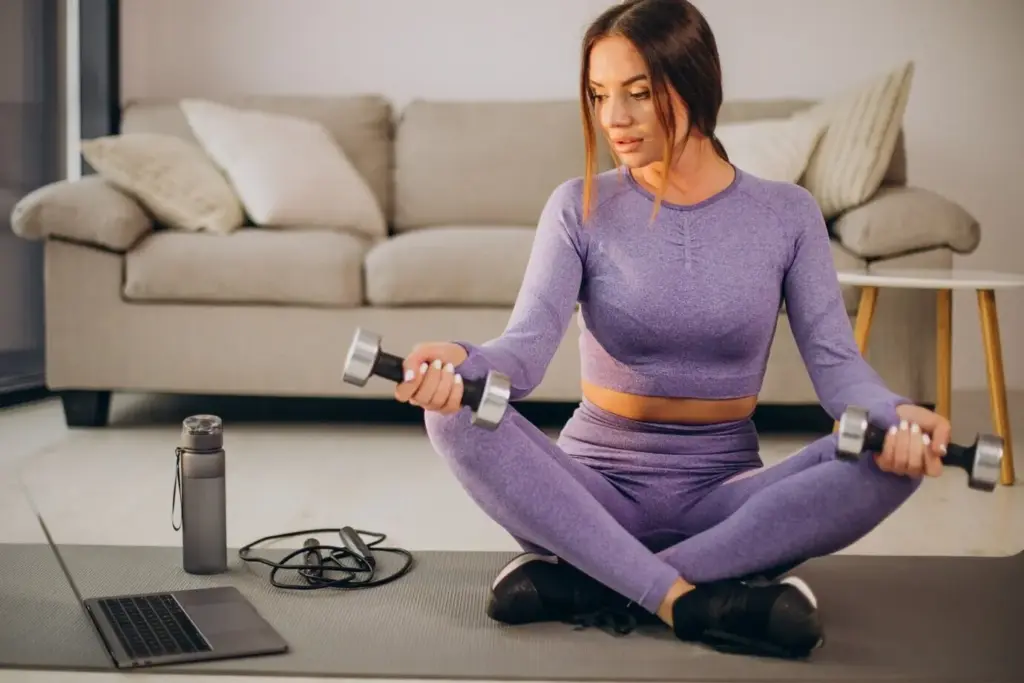
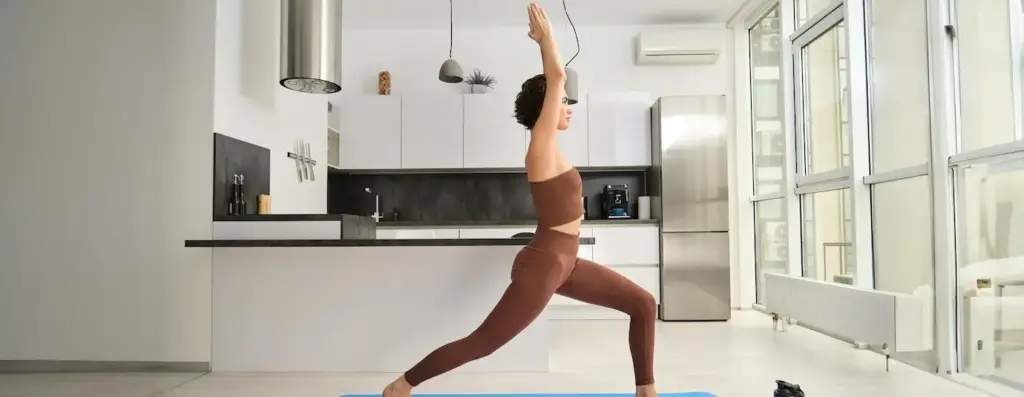
Stand tall, roll shoulders back, and take three deep nasal breaths. Circle wrists and ankles, then perform ten gentle marching steps, lifting knees comfortably. Add five slow hip hinges, feeling hamstrings lengthen, and three thoracic rotations per side. If balance wobbles, touch a wall. Keep the jaw unclenched and the neck long. This thirty-to-forty second sequence primes joints, signals readiness to the nervous system, and prepares you to move confidently without rushing, straining, or losing alignment.

Simple Sequence: Push, Hinge, Balance

Do eight countertop incline push-ups or wall presses, focusing on strong palms and ribcage stacked. Move into ten bodyweight hip hinges or mini-squats, keeping heels grounded and spine neutral. Finish with a thirty-second balance hold per side, toes gripping lightly, gaze steady. Prefer variety today. Swap hinges for reverse lunges, or push-ups for desk triceps dips if shoulders agree. The blend recruits large muscles, elevates circulation, and challenges stability, leaving you pleasantly warm, not drained, and ready to continue your day.

Desk, Kitchen, and Living Room Variations

Micro-routines thrive when tied to places you already visit all day. Your desk invites posture repairs and gentle strength, the kitchen offers sturdy counters for supported presses and calf raises, and the living room provides open space for dynamic flow. Rotate locations to stay curious, match moves to available surfaces, and let ordinary furniture become friendly equipment. By making the environment a partner, you reduce excuses, remember more often, and keep breaks fun, safe, and adaptable to changing energy levels.

At the Desk

Try ten chair-assisted squats, hands lightly on rests for guidance, followed by twenty seconds of brisk marching in place to lift heart rate. Add eight wall angels to open the chest, keeping ribs down, then finish with a gentle neck glide sequence. If space is tight, switch to seated knee extensions and isometric glute squeezes. The desk becomes a helpful anchor, reminding you to move between emails, protect posture, and return to work feeling refreshed, centered, and pleasantly alert.

By the Sink

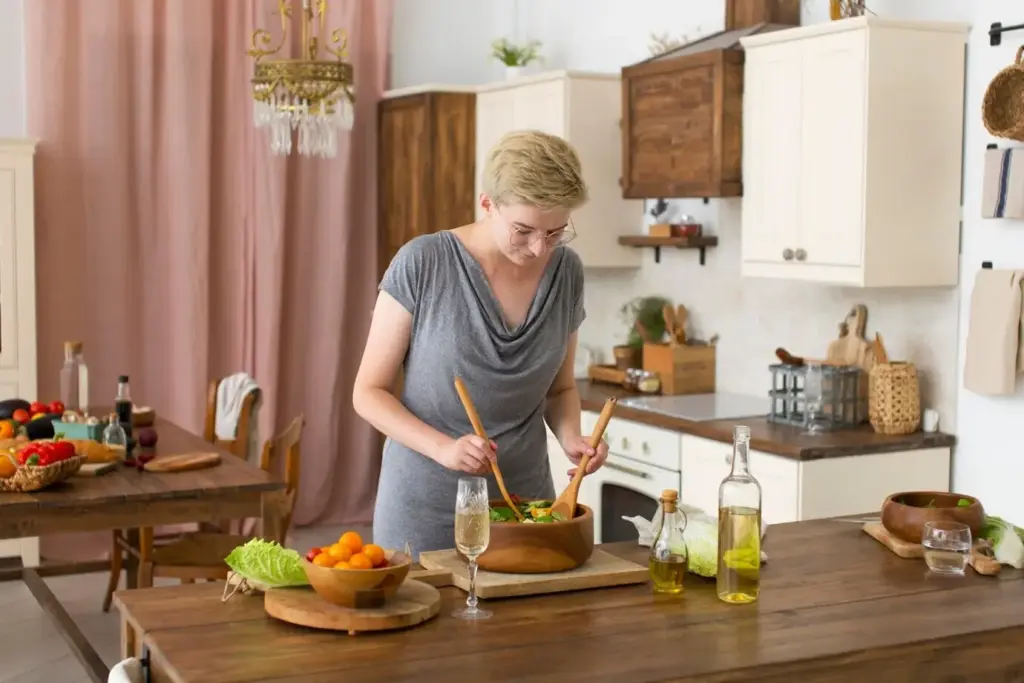
Use the counter for incline push-ups or slow mountain climbers, feeling the core brace without wrist strain. Slip in fifteen calf raises while the kettle boils, pausing at the top to savor the burn. Add ten counter-supported split squats per side if knees tolerate, keeping weight in the front heel. Finish with forearm stretches for dishwashing tension. This location pairs naturally with daily chores, transforming idle moments into meaningful, safe, and surprisingly enjoyable bursts of strength and balance training.

Between Couch and Coffee Table

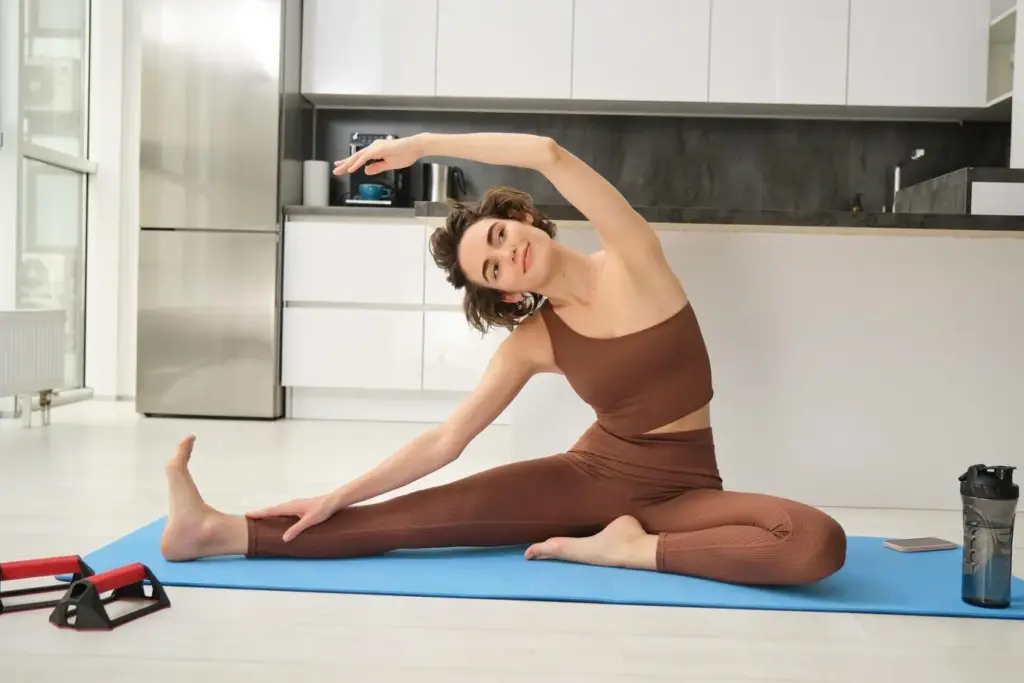
Clear a narrow lane and flow through eight alternating reverse lunges, ten hip bridges on the rug, and a twenty-second plank or incline plank on the table edge. If wrists complain, switch to forearms. Follow with cat-cow and a spinal rotation lying on your side. The living room invites relaxed effort, music, and family participation. Keep moves friendly to carpeted surfaces, minding table corners and pets. You will finish energized, not winded, and ready to resume reading, chatting, or unwinding.

Make It Stick with Tiny Habits

Consistency emerges when each break links to a reliable cue and feels rewarding. Pair movement with everyday anchors like brewing coffee, sending a calendar invite, or finishing a video call. Set gentle timers, leave a resistance band visible, and celebrate completion with a checkmark or a smile. Do not chase perfection; chase repetitions. Even on low-energy days, a smaller version counts. When the routine fits your life, confidence grows, and two-minute sparks begin shaping healthier posture, steadier energy, and brighter moods.

Progressions for Strength, Mobility, and Cardio

As confidence blooms, gently layer challenge without losing the two-minute spirit. Add reps, slow tempos, or brief isometric holds. Introduce single-leg variations for balance, elevate feet for pressing, or sprinkle in quick steps for cardio flair. Mobility sessions can focus on hips one day, shoulders the next, and ankles after. The goal is playful progression, not punishment. Keep a few favorite sequences ready for sleepy mornings and a few spicy options when you crave extra spark and joyful effort.

Recovery, Safety, and Accessibility

Every body can benefit when movements are scaled thoughtfully. Prioritize form, pain-free ranges, and steady breathing. Use walls, chairs, or counters for support. If dizziness or sharp pain appears, stop and consult a professional. Hydration and light, frequent mobility help tissues feel supple. Mix gentler days with perkier ones. Choose footwear or barefoot based on surfaces and comfort. Remember, two minutes is a dial, not a switch, and adjustments are signs of wisdom, not weakness or failure.
Protect knees with chair squats, short-range split squats, or hip hinges that load glutes more than quads. Cushion wrists with fists, dumbbell handles, or forearm planks. Keep a folded towel under sensitive knees and choose stable footwear if floors are slick. Emphasize slow, smooth reps over intensity. If an exercise consistently irritates a joint, replace it with a nearby pattern that feels kind yet effective. Comfort unlocks consistency, and consistency is what transforms quick efforts into meaningful, long-lasting benefits.
Two minutes is guidance, not a rule. Some days thirty seconds of shoulder rolls, calming breaths, and a gentle forward fold will be perfect. Other days you will stretch the timer to three because it feels delightful. Use soreness, breath quality, and joint sensations as signals. Favor curiosity over judgment. When you finish, ask how you feel and what to tweak next time. This reflective loop builds self-trust, reduces overdoing, and keeps the practice humane, sustainable, and deeply personal.
Scan your area for corners, cords, or slippery rugs before moving. Choose supportive shoes for impact, or go barefoot for balance work on safe, clean floors. A yoga mat softens kneeling and adds traction for planks or bridges. For apartments, favor quiet, low-impact moves and mindful landings. Keep water within reach and a small towel handy. When the environment feels welcoming, you will return more often, stress less about setup, and focus fully on the refreshing joy of the break.

Community, Fun, and Accountability

Humans stick with habits better together. Invite a friend, partner, or coworker to swap two-minute prompts, share playlists, and cheer progress. Post your favorite micro-routine in the comments, ask for ideas, or join our newsletter for new flows and reminders. Celebrate consistency, not perfection, and laugh when pets photobomb your lunges. By crafting playful rituals and supportive connections, movement becomes a bright spot in busy days, a shared language of care, and a reliable spark for mood and focus.
Pamofivekivuzezexirini
Privacy Overview

This website uses cookies so that we can provide you with the best user experience possible. Cookie information is stored in your browser and performs functions such as recognising you when you return to our website and helping our team to understand which sections of the website you find most interesting and useful.