Quick-Stride Energy in Your Living Room

Today we’re diving into no-equipment cardio bursts for the living room, turning everyday corners into a compact arena for fast intervals, heart-lifting drills, and joyful movement. Expect practical warm-ups, precise form cues, flexible interval structures, quiet landings, and motivating strategies that fit real life. I once trained between boiling water and a ringing phone; these brief surges taught me consistency, confidence, and surprising stamina. Join in, try a set, and share your favorite burst combinations so we can cheer each other forward.

Mobility That Feels Like Coffee for Joints

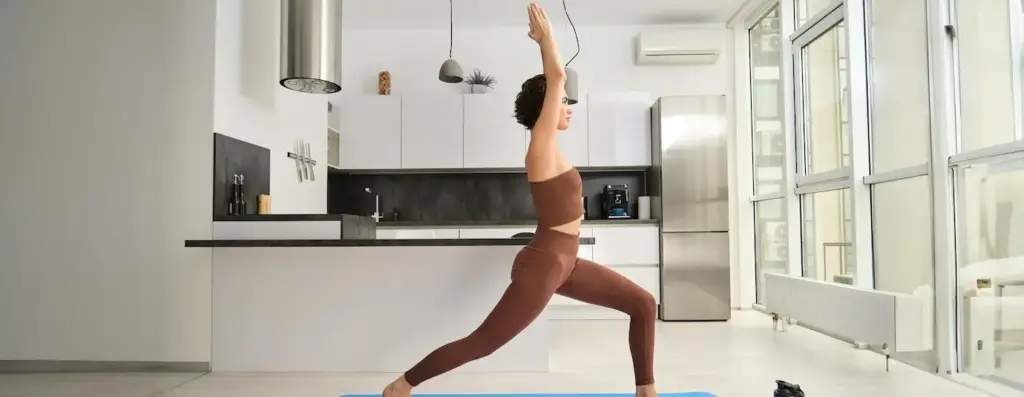
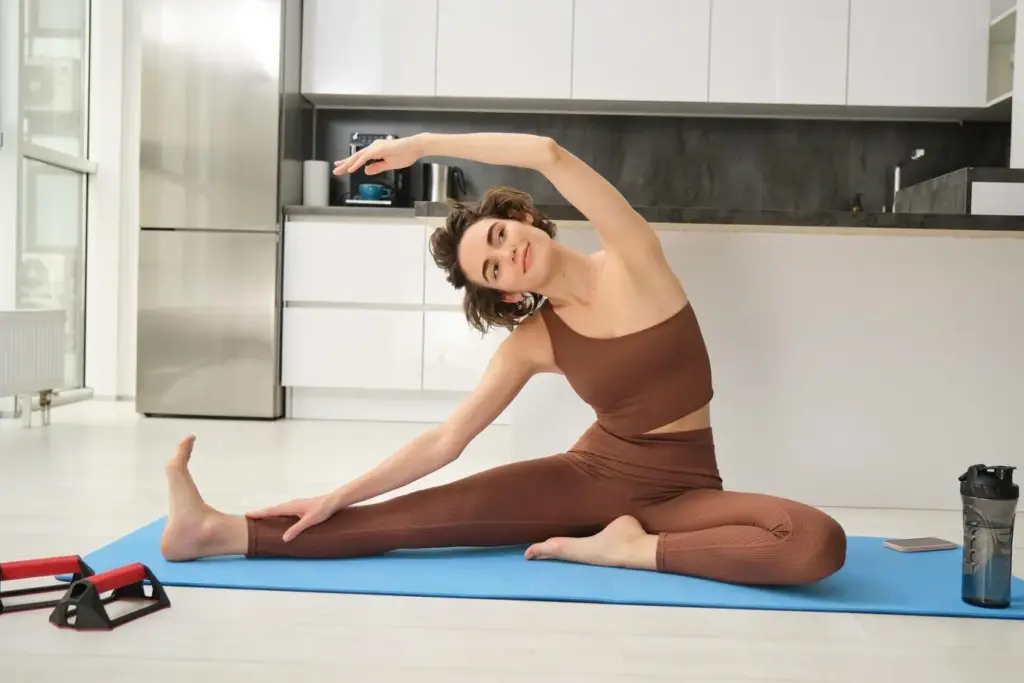
Start with neck rolls, shoulder circles, and gentle thoracic twists, then move to hip openers, ankle rocks, and calf pumps. Keep movements smooth and curious rather than forceful. Imagine oiling hinges before a sprinting door swings. Your living room offers walls for balance and a rug for comfortable kneeling. Two minutes of this ritual noticeably enhances stride length, landing control, and knee comfort, preparing your frame for quick footwork without sacrificing freshness or enthusiasm.

From Couch Slouch to Athletic Ready

Counter daily hunching with scapular retractions, wall angels, and a few controlled hinges to wake posterior chain support. Add marching in place while pinning the ribs down to steady the spine, then sprinkle in gentle pogo hops. Feel weight evenly through the tripod of each foot. This postural tune-up helps high knees fly higher, skaters glide smoother, and burpee variations feel springy instead of sloppy. Five deliberate breaths here can change the quality of everything that follows today.

Breath Patterns That Prime Power

Use nasal inhales to expand ribs sideways and softly behind, then sharp, purposeful exhales to brace midline without gripping. Try four cycles of box breathing to calm jitters, followed by quicker in-ex out-ex rhythms that signal readiness. When bursts begin, pair impact with steady exhalation to stabilize landings. This simple practice keeps heart rate controlled, reduces tension in the neck and jaw, and supports repeatability, so you can stack intervals confidently without a noisy, exhausting gasping spiral.

Form First, Speed Second

High Knees Without the Hype

Lift from the hip flexors while driving opposite arm, keeping ribs stacked over pelvis and eyes forward. Land midfoot under the body with a whisper, not a thud. Imagine zippers drawing knees upward rather than yanking with the low back. Start for twenty seconds, recover, then extend to thirty as control improves. Filming one set can reveal drifting shoulders or heel-smacking habits. Correcting these tiny details yields quieter steps, higher cadence, and a surprisingly powerful training effect in small spaces.

Skaters That Slice Through Space

Push laterally from the inside edge of your foot and land softly with knee tracking over toes. Keep hips level, torso proud, and arms assisting balance without windmilling. Shorten the leap if the room is tight, or add a reach toward the floor for extra challenge. Focus on decelerating silently to protect ankles and keep neighbors happy. Thirty seconds per set builds lateral strength, ankle resilience, and athletic grace that supports everyday turning, stair work, and spontaneous dance with a smile.

Burpee Alternatives for Tight Corners

Try squat thrusts, walk-back planks, or pop-backs to a high plank instead of sprawling push-ups that need extra room. Keep shoulders above wrists, core firm, and landings springy. If wrists complain, elevate hands on a sturdy chair. Practice eight smooth reps, breathe through transitions, and avoid sagging hips. Progress by adding a jump at the top or a knee drive in plank. You’ll retain metabolic punch without furniture collisions, preserving intensity while respecting space, joints, and apartment peace.

Intervals Engineered for Energy

Short, structured bouts convert intention into undeniable work while preserving attention and fun. Mix modalities—high knees, skaters, mountain climbers, fast feet—and rotate patterns to reduce muscular bottlenecks. Use a simple timer and keep recovery honest. When you stop gasping, you start adapting: those quiet seconds between sets cement aerobic gains and sharpen repeat performance. Choose formats that fit your day’s bandwidth. Two rounds might be a win on busy mornings; four rounds can feel heroic on sparkling afternoons.

Twenty–Ten Lightning Blocks

Perform four movements for twenty seconds on, ten seconds off: high knees, skaters, mountain climbers, and squat thrusts. Cycle two to four times depending on energy. This classic ratio encourages crisp output without overthinking, while the short rests sharpen focus. Keep a note of which exercise fades first; rotate its position next session to challenge fresh. In eight minutes, you’ll collect a surprising sweat story and a clear sense of pacing that respects home life and neighbors.

EMOM Simplicity for Busy Days

Every minute on the minute, complete a small, repeatable dose: ten squat thrusts, fifteen high knees per side, and twenty fast feet taps. The remainder of the minute is yours to breathe. Aim for six to ten minutes. If you finish with less than fifteen seconds to spare, reduce reps slightly. This structure rewards consistency and teaches controlled urgency. It feels like a game against the clock, yet it safeguards recovery, helping intensity stay high without slipping into frantic, sloppy effort.
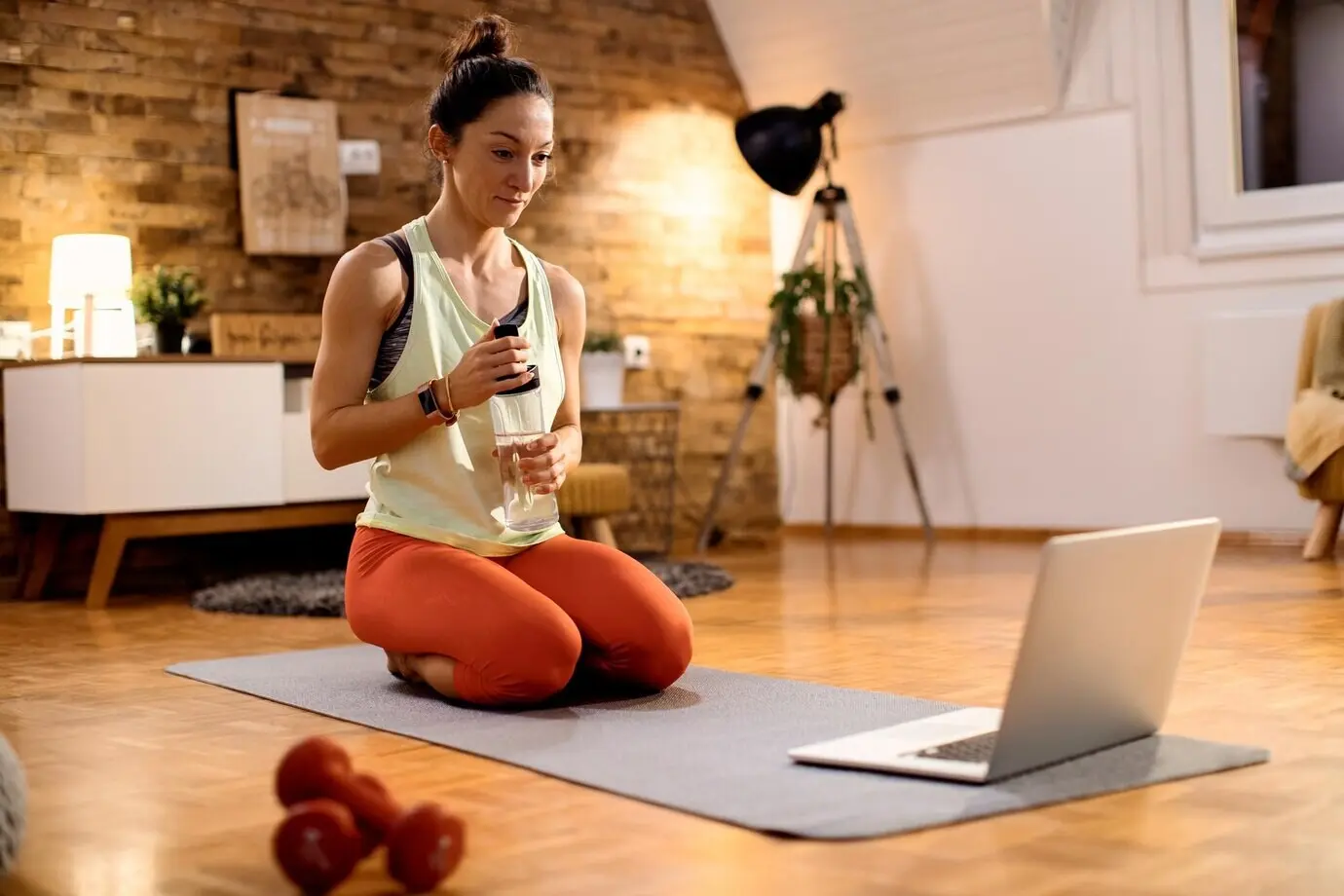
Ladders That Climb Without Clutter

Alternate two moves—skaters and plank jacks—ascending from four to ten reps, then back down. Rest thirty seconds between rungs. Ladders create a narrative your mind enjoys, making repetition feel like progress. Keep landings feather-light and brace gently in plank to spare wrists. If energy flags, pause the climb, breathe, and resume where you left off. This approach scales beautifully, builds confidence, and turns your living room into a playground of measurable steps rather than a maze of random sweat.
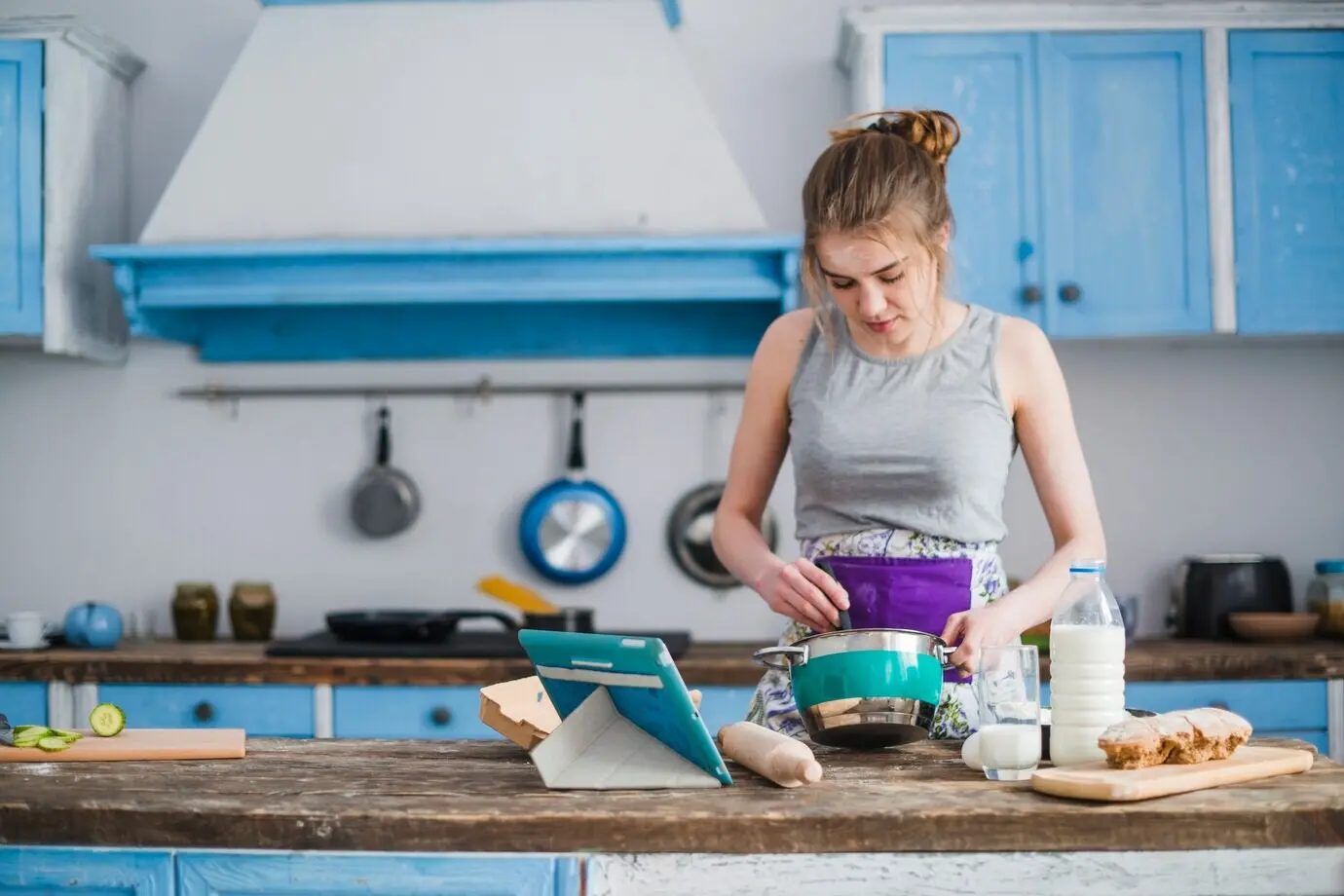
Small Room, Big Moves

Noise-Savvy Footwork for Peaceful Neighbors

Adopt a cat-like landing: think soft ankles, bent knees, and stacked hips. Replace jumpy moves with low-impact power when needed—step jacks instead of jack jumps, toe taps instead of heavy hops. Use rugs or foldable mats to absorb sound and add warmth. Practice three sets of thirty seconds focusing purely on quietness, not speed, to groove control. Your reward is a more sustainable cadence, calmer breathing, and goodwill from those below, which makes consistency simpler and evenings less stressful.

Furniture-Friendly Flow Patterns

Map a clockwise circuit around your room: high knees near the doorway, skaters across the mat, then mountain climbers facing the window. This predictable flow reduces collisions and cognitive load. Keep a shoe box or basket tucked aside for quick decluttering. If pets or children wander in, choose stationary bursts like fast feet, knee drives, or plank shoulder taps. Treat obstacles as playful prompts. With thoughtful routes and gentle boundaries, your home supports sweat without feeling hijacked by exercise demands.

Grip, Socks, and Surface Wisdom

Hardwood loves grippy socks or bare feet; tile prefers a firm mat; low-pile carpet welcomes stable shoes. Test friction with small hops and lateral steps before going full speed. Moisture can change traction mid-session, so towel off if needed. If wrists ache on the floor, elevate hands on a sturdy chair to reduce extension. Keep corners clear and cords secured. These tiny decisions prevent slips, protect joints, and free your mind to chase effort, rhythm, and personal records with confidence.

Make It Fun, Keep It Consistent

Consistency blooms when training feels playful, flexible, and genuinely yours. Tie bursts to daily cues—after brushing teeth, during kettle time, or before a shower—to shrink resistance. Curate a soundtrack that matches interval rhythms, and keep sessions short enough to crave repeats. Gamify with streaks, badges, or a deck-of-cards twist. Celebrate small wins loudly: the second round completed, the quietest landing yet, the smoothest breath. Invite family or housemates for a friendly finale minute and share your favorite combos with us.

Recover Smarter, Progress Faster

Recovery shapes adaptation as much as effort. Close sessions with intentional cooling, light mobility, and calm breathing to restore steadiness. Track simple markers—energy on waking, stairs feeling easier, quieter landings—to see change without gadgets. Progress by nudging one variable at a time: slightly longer intervals, a tougher movement, or an extra round. Celebrate patience. Fitness grows like a friendly spiral, revisiting basics with fresher skill. Keep notes, ask questions, and share reflections so our community can learn together.
Pamofivekivuzezexirini
Privacy Overview

This website uses cookies so that we can provide you with the best user experience possible. Cookie information is stored in your browser and performs functions such as recognising you when you return to our website and helping our team to understand which sections of the website you find most interesting and useful.